
 605-334-2471
 Branches
 Membership
 Calculators
 Rates
Rates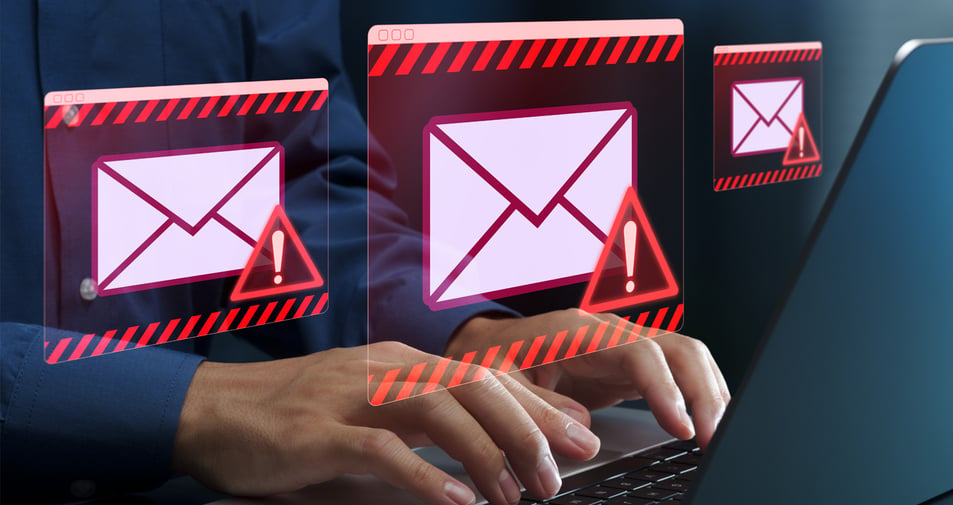
Your business email may be one of the biggest targets for fraudsters. Business email scams are becoming more sophisticated. Here’s how to stay protected.
Business Email Compromise (BEC) scams are increasing, with criminals using compromised email accounts, fake domains, and even artificial intelligence to impersonate trusted people and businesses.
These scams often target businesses by tricking employees into sending wire transfers, changing vendor payment information, or sharing sensitive details. The messages may look legitimate and create a sense of urgency — but taking a moment to verify could prevent significant financial loss.
Common Business Email Scams to Watch For
Executive Impersonation Scams
A fraudster may impersonate a business owner, executive, or employee and send a request for an urgent payment or wire transfer. These requests often happen when an executive is traveling or unavailable, making it easier for the scammer to avoid verification.
Vendor Impersonation Scams
Fraudsters may pretend to be a trusted vendor and send an email requesting updated banking information. If the change is not verified, future payments could be sent directly to the scammer instead of the legitimate business.
Warning Signs of a Scam
Be cautious when you receive requests that:
- Ask for urgent payment or immediate action
- Request changes to vendor banking information
- Come from a familiar name but an unfamiliar email address
- Seem unusual or outside normal business processes
- Ask you to keep the request confidential
Steps to Help Protect Your Business
A few simple safeguards can make a big difference:
Verify before sending money.
Always confirm wire transfers, payment changes, or unusual requests using a trusted communication method — such as calling the person or vendor directly using a known phone number.
Create approval processes.
Consider requiring two people to review and approve wire transfers or large payments.
Strengthen your email security.
Use multifactor authentication (MFA), keep software updated, and provide regular employee training on phishing and fraud attempts.
Slow down and ask questions.
Scammers rely on urgency and pressure. If something feels unusual, take time to verify before taking action.
AI Is Changing the Way Scammers Operate
Artificial intelligence has made these scams even harder to spot. Criminals can create convincing emails, copy voices, and generate realistic videos to impersonate executives or trusted contacts.
That’s why it’s important to never rely only on what you see or hear. Always verify unexpected financial requests through a separate, trusted communication channel.
Sources: TruStage Insurance | Wilmington Trust
Levo Is Here to Help Protect Your Business
Your business is built on hard work. Protecting it takes more than good financial tools — it takes awareness and smart habits.
If you have questions about protecting your business accounts, we're here to help. Call 605-334-2471.
Stay alert. Stay protected.